Halitosis | Solution for Bad Breath

Key Highlights
Here are the key takeaways about bad breath:
-
The most common causes of halitosis come from poor oral hygiene. When you do not clean your teeth well, bacteria grow in your mouth.
-
Some kinds of food, habits like smoking, and having a dry mouth can also make your breath odor worse.
-
Sometimes, bad breath can mean that you have a health problem, like something wrong with the digestive system or even kidney disease.
-
To treat bad breath, you need to know where it comes from. The answer might be easy home care, or you may need to see a dentist for help.
-
Good oral hygiene is the best way to stop breath odor. Be sure to brush your teeth and also clean your tongue.
-
Now, laser therapy can be used as a new way to treat bad breath that does not go away.
Introduction
Have you ever felt stressed about how your breath smells? You are not alone. Many people deal with bad breath. This is also called breath odor or halitosis. A lot of us feel awkward about it. To feel good, you need to know the reasons your breath smells bad. It helps to learn what steps you can take for your oral health. The good thing is, most of us can do something to fix bad breath. There are ways to control it. This guide will show you what causes it, what to look for, and how to treat it. That way, you get fresher breath and feel more confident.
Understanding Bad Breath (Halitosis)
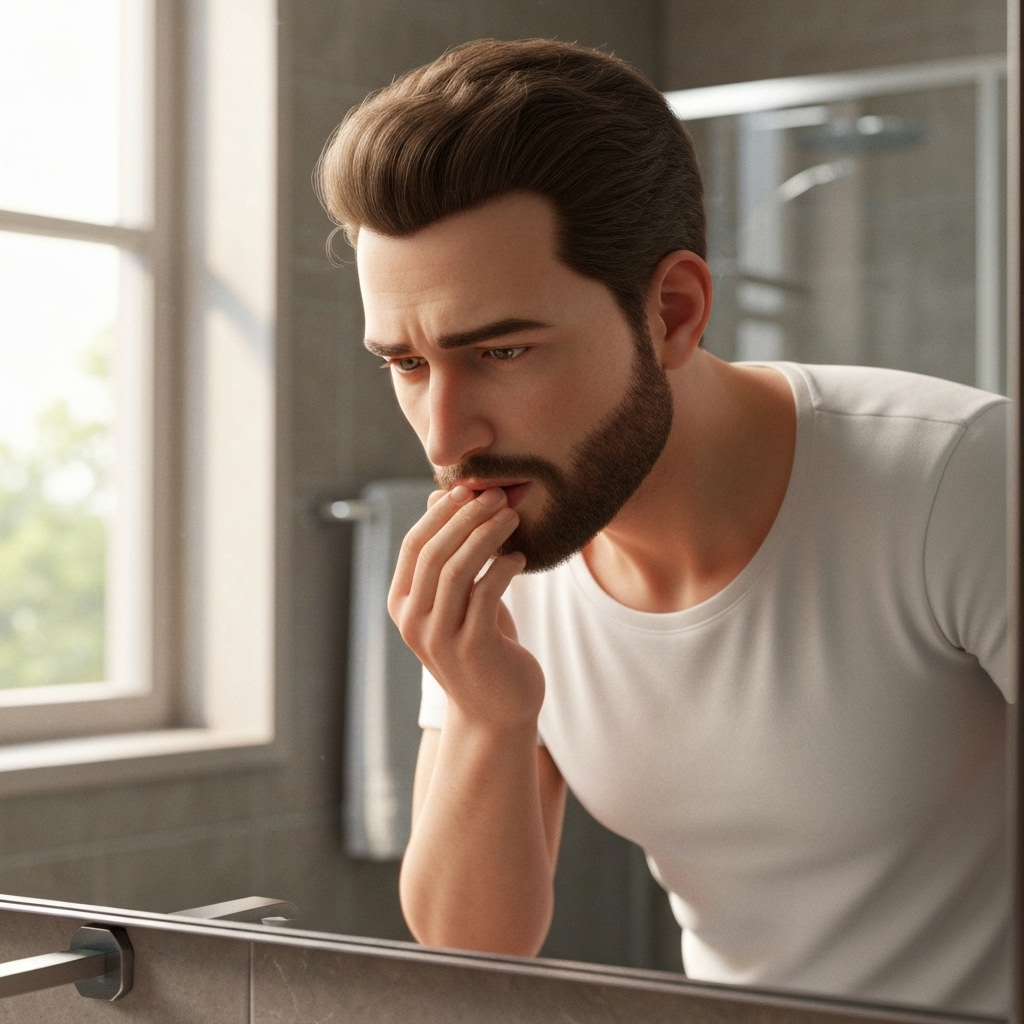
Halitosis is not like the “morning breath” that many people get when they wake up. It means you have a strong bad breath odor that does not go away, even after you brush your teeth or use mouthwash. This issue often begins in the oral cavity. For some, it can make day-to-day life feel hard.
To handle halitosis well, you have to know what it means. You need to see that this is often a common problem in people. Let’s look at how halitosis can touch people and how many of us have to deal with it.
What is Halitosis and How Does it Affect People?
Halitosis is what doctors call chronic bad breath. It means that there is an unpleasant odour in the mouth that stays all the time. This is not just the usual bad breath you get after eating things like garlic. It lasts longer and can make people feel anxious. Some people feel embarrassed, worry a lot, or keep away from others because of bad breath.
Many people in the adult population worry that they have bad breath. This worry can make it hard for them to feel good about themselves. They may feel tense when talking with friends, their family, or even people they work with. Even when they try their best to keep their mouth clean, they still feel stressed about it. Bad breath can make people think about the way they look and feel every day.
How do you tell if you have bad breath all the time or just sometimes? If your breath odor stays all day and does not go away after you brush, floss, and use mouthwash, that is chronic bad breath. If bad breath appears only occasionally, it may be due to what you eat or waking up in the morning.
Prevalence of Bad Breath in India
Bad breath is something a lot of people deal with all over the world. The number of people who have it can be different, depending on how the studies are done. Even so, many in the general population get bad breath. In the United States, some studies say that up to half of people feel bad breath at some time.
The numbers are not the same in every country. This is because people eat different foods, live in their own ways, and have different oral hygiene habits. Some studies say bad breath is more common in China and India than in Western countries. All these differences show that culture, and things like eating spices or using tobacco products, can change how many people get bad breath.
Here is a look at how many people have halitosis in different groups. A few studies talk about this topic and show how common it is.
|
Country/Group |
Prevalence Rate |
|---|---|
|
United States |
Up to 50% |
|
China |
6% to 23% |
|
Indian Dental Students (Male) |
21.7% |
|
Indian Dental Students (Female) |
35.3% |
Main Causes of Halitosis
Knowing the main causes of halitosis can help you get a good way to treat it. A lot of people say that bad breath starts in the stomach. But about 80-85% of the time, it comes from the mouth. Poor oral hygiene is at the top of the list of reasons. This lets bacteria build up and causes bad breath.
The food you eat can make your breath smell bad. Your dental care routine matters too. Some health problems can also be a reason for bad breath odour. Let’s talk more about what can cause bad breath.
Oral Hygiene Practices and Their Role
Taking care of your mouth every day is the best way to stop bad breath. If you do not keep up with your dental hygiene, bacteria will start to grow in your mouth. This leads to poor oral hygiene. The bacteria use food particles left in your mouth. This can make your breath smell bad.
Good oral hygiene is the key to fight bad breath. A daily routine helps stop bacteria and takes away what they need to grow. This matters a lot for your oral health. If you do not practice good dental care, plaque can build up. This may cause gum disease and tooth decay. Both of these problems can give you bad breath.
Yes, you can stop bad breath. To do this, take care of your mouth. A few easy things you do every day will help keep your breath fresh. These simple steps are key if you want good oral hygiene.
-
You should brush your teeth two times a day.
-
Flossing every day will help clean between the teeth.
-
Cleaning your tongue removes the bacteria that gets stuck there.
-
Go to your dental check-ups and cleanings often.
Dietary Habits and Common Foods Leading to Bad Breath
What you eat can make your breath smell different. Some foods cause bad breath for a short time, because they have strong odors. Food with sulphur compounds goes into your blood after you eat them. The body moves these compounds to your lungs. You breathe these out later. That is why your mouth can have an unpleasant odor for hours.
Food particles and food debris can be left in your teeth and gums after you eat. If you do not clean this away, it can become food for bacteria. These bacteria cause bad smells. As the bacteria break down the food particles and food debris, they let out smelly gases.
Some foods and the way you live can give you bad breath.
-
Garlic and onions have a lot of sulfur compounds. They can make your breath smell strong.
-
Spicy foods and some sauces also give the mouth a strong smell.
-
Coffee and drinks with alcohol can dry out the mouth. This can make bad breath worse.
-
People who smoke or chew tobacco products may get bad breath.
Medical Conditions Associated with Halitosis
Yes, sometimes bad breath does not go away, even when you have good oral hygiene. This may mean that you have some medical conditions. If you keep your mouth clean and still get bad breath, you should think about other things that might be wrong. Most bad breath is not from these medical issues, but it is still a good idea to check for them.
If you have gastroesophageal reflux disease or acid reflux, stomach acid can rise up. This can make your breath smell sour or give you bad breath. When you have postnasal drip because of a sinus infection, bacteria grow at the back of your throat. This can cause bad breath too.
Some health problems can change the way your breath smells. For example, diabetes can make your breath smell sweet or like nail polish remover. Kidney disease may cause breath that smells like ammonia. If you think you have breath odor because of a health issue, you should go see a healthcare provider. A healthcare provider will help find out what is making this happen by checking for any medical conditions.
Signs and Symptoms of Halitosis
The most common sign of bad breath is when breath odor does not go away. Other people might notice it before you do. There are some other things that can show up. If you see a white or yellow coating on your tongue, that is a sign. This coating comes from bacteria and small bits of debris. You may feel like you have dry mouth. Some people also notice a bad taste that sticks around and will not go away.
Noticing these signs can help you start taking care of your oral health. A tongue scraper is good for getting rid of stuff that builds up on your tongue. When you know what these signs mean, you can tell if it is something that will go away soon or if it is a bigger problem that might stay for a long time.
How to Tell if You Have Chronic vs. Occasional Bad Breath
It’s important to know how bad breath can be different. Chronic bad breath stays with you for most of the day. Occasional bad breath does not last long. You may notice occasional bad breath if you eat food with a strong smell or wake up with morning breath. This type of breath odor will usually go away after you brush your teeth or use mouthwash.
Chronic bad breath be a problem that can stay with you all day. Often, it does not go away, even if you use good oral hygiene. In most cases, chronic bad breath is because of something in your mouth, like gum disease. If you have a lot of bad bacteria in your mouth, they make sulfur compounds such as hydrogen sulfide. These sulfur compounds are what give bad breath that strong smell. So, chronic bad breath can be a sign that you have to look at your oral hygiene and your overall mouth health.
If your bad breath comes back soon after you clean your mouth, or if you feel it is always there, you might have chronic halitosis. This means that there could be other causes of halitosis, and you may need help from a dentist to fix it for good.
Impact on Social and Personal Life
Living with chronic bad breath can be tough for many people. A lot of adults deal with this problem. A worry of having unpleasant odor can make talking feel stressful. Some feel it lowers their self-confidence. Many people do not feel good about speaking with others face-to-face. This can also make them feel different about themselves at work and at home.
This problem can make people feel left out. They may not go to gatherings or talk with others. This is because they worry about what could happen. The stress of bad breath is real. Some people feel very scared of bad breath, even after they try to fix it. It can make you question your own cleanliness, even if you always try to be clean.
The things that can happen in your daily life can go a long way and can be about many things.
-
A person can feel worried when they are with people or by themselves.
-
A person may not want to talk with a close friend or someone they live with.
-
This can hurt job chances.
-
A person might feel less sure of themselves and feel alone.
The Role of Microorganisms in Bad Breath
Bad breath is mostly caused by small germs living in the mouth. The oral cavity has many bacteria. A lot of them are not harmful. However, some bacteria make the mouth smell bad. These bacteria grow best on the surface of the tongue, between the teeth, and under the gums.
When bacteria work on proteins that are left from food debris and dead cells, they release gases. The gases are called volatile sulfur compounds. These sulfur compounds are the reason your breath can get an unpleasant odor.
How Bacteria Contribute to Halitosis
Anaerobic bacteria are a main cause of halitosis, or bad breath. These bacteria do not need oxygen to live. They often grow in areas of the mouth that are hard to clean. The surface of the tongue is one of these places, as well as small pockets near the teeth. The tongue and these other spots can hold bacteria that cause bad breath.
These bacteria eat the proteins from food that stay in your mouth, from saliva, and from dead skin cells. When they do this, they make sulfur compounds that go into the air. These are called volatile sulfur compounds. The biggest ones that lead to bad breath are hydrogen sulfide, which smells like rotten eggs, and methyl mercaptan, which smells like rotten cabbage.
The amount of these bacteria in your mouth can change how bad your bad breath gets. If you have poor dental hygiene, these bacteria can grow fast. They make more VSCs, so your bad breath gets worse. That is why you need to brush your teeth and clean the tongue. Good dental hygiene helps with these issues.
Importance of Oral Hygiene Practice in Controlling Bacteria
Bad breath often starts because of bacteria in the mouth. The best way to stop this is to follow a daily oral hygiene routine. Make sure you brush and floss every day. This can help get rid of food particles and plaque. When you take away what the bacteria need to eat, they cannot make the smells that lead to bad breath.
It is good to clean your mouth using a toothbrush or floss. But you can also use mouth rinses or antibacterial mouthwash. These can help lower bacteria in your mouth. Pick a rinse or mouthwash with things that fight germs and help you not have bad breath. This gives you extra help to keep your mouth fresh.
For better oral hygiene, you can try mouth rinses that have cetylpyridinium chloride. This item works to kill bacteria in your mouth. Some mouth rinses also be made with chlorine dioxide. Chlorine dioxide works on bad breath. It fights off volatile sulfur compounds that cause odor. If you use these mouth rinses every day, the bacteria and sulfur compounds in your mouth can go down. Using them helps you feel fresher. A daily routine with these mouth rinses gives good results for bad breath. It also helps you keep up with your oral hygiene.
Diagnosis of Halitosis
The first thing you should do is find out what causes breath odor before you try to fix it. There can be many reasons that lead to bad breath. That is why you need to know where it starts. You can look for signs at home. But to be sure, you need help from a dental care expert.
A dentist can do tests to see what is in your breath. The dentist will also look inside your mouth to check for gum disease or cavities. Now, let’s look at a few tips you can use to check on your own, and a few ways your dentist can find problems.
Self-Assessment Techniques
It can be tough to know what the breath odour is, because people get used to it after a while. But, there are some easy ways to check by yourself. A popular way is to lick the inside of your clean wrist. Wait some seconds, so it can dry. Then smell your wrist. The scent you get will help you see what your breath odour might be.
Another simple way to see if you have bad breath is to ask a close friend or family member about it. You can trust them to tell you the truth. It may feel strange to ask, but this is one of the best things you can do to know if you have bad breath.
If you want a simple way to check for bad breath, you can use some dental floss. Clean between your very back teeth with it. After you do this, smell the floss. This can help you know if you have bad breath.
Here are a few common ways to do this:
-
The wrist-lick test.
-
Asking a close friend for feedback.
-
Flossing and smelling the floss.
-
Scraping your tongue and smelling the scraper.
Professional Diagnostic Methods Used by Dentists
If checking yourself does not work, you can go to a healthcare provider. The healthcare provider will help by giving you a proper diagnosis. Dentists also have a few ways to find out what causes halitosis. A common way is called the organoleptic test. In this test, the dentist will smell your breath. They will then give your breath a rating based on how strong it is.
For better results, gas chromatography is often the best way to check for bad breath. This machine finds and measures certain volatile sulfur compounds in your breath. These include hydrogen sulfide and methyl mercaptan. It tells you if you have a problem and helps find out what may be causing it.
Other tools can be portable sulfide monitors. These show the level of sulfur in your breath. A BANA test finds some bacteria. The bacteria are linked with gum disease and bad breath. If you want the right answer, it is good to get professional advice. A dentist can use facts and tests to make a plan for you.
Treatment and Management Options
After you know what is causing your bad breath, you can try some different things to treat and control it. The best way for the treatment of halitosis depends on where the problem is coming from. It might be from your oral hygiene, what you eat, or a health issue. A lot of times, you can fix bad breath with home remedies and by making some small changes to your habits.
If you still get these issues, you may need dental care from a dentist. There are things you can do every day. You can also try some special treatments. These can help you get your breath back to normal.
Home Remedies and Oral Care Routine
For many people, the best way to deal with ongoing bad breath is to be at home. The first thing to do is to work on your oral hygiene. You should try to lower the amount of bacteria in the mouth by getting rid of food particles that they eat. A great tip is to drink plenty of water during the day. This helps keep your mouth wet and helps wash away food particles and bacteria. These home remedies can make us feel good about our breath.
Using a tongue scraper every day helps keep the tongue clean. The tongue can get a lot of bacteria that make bad smells. A tongue scraper works better than a toothbrush to take off this buildup. Mouth rinses with antibacterial agents also help. They work to remove bacteria and stop bad smells.
Here are some main tips that you can use at home to help with bad breath:
-
Brush your teeth two times every day. Be sure to floss one time each day.
-
You can use a tongue scraper so your tongue stays clean.
-
Rinse with an antibacterial mouthwash to help your mouth.
-
Drink plenty of water so you stay hydrated.
Laser Therapy as an Emerging Treatment for Halitosis
If you have bad breath that does not get better with regular dental care, there is now something new to try. Laser therapy gives you a fresh way to handle bad breath. It helps if you have tooth and gum issues like periodontal disease. Lasers can target what causes the smell and help you feel good again.
Laser therapy uses a strong light to find and kill the anaerobic bacteria. These bacteria create volatile sulfur compounds that cause bad breath. The laser goes deep into gaps in the gums and in the tongue. It gets to places where bacteria hide, and brushing or using an antibacterial mouthwash might not reach. The steps in this process are precise, and the treatment is not hard on you.
Laser therapy can lower bacteria in the mouth. This may help bad breath get much better. If you have chronic bad breath from swollen gums or infection, laser treatment works well. This new way may give hope to people who want a long-term help for their chronic bad breath.
When to Seek Professional Dental Help
You can try to fix most cases of bad breath at home. If you brush and take care of your teeth as part of your oral hygiene and things do not get better, you need to see a dentist. If your bad breath does not go away in a few weeks, there may be an underlying cause. A dentist can find the problem and put you on the right treatment.
A dentist will look at your teeth to see if you have deep holes, old dental work that is not good, or gum disease. Any of these can keep bacteria in your mouth and lead to bad breath. A dentist can also give you professional advice. They may do deep cleaning to help fix the real reason for your bad breath.
Sometimes, your dentist may feel that bad breath is not just in your mouth. If the dentist does not see oral causes, they may tell you to visit your primary care physician or another healthcare provider. This step is important. It helps find out if there is an underlying cause or a medical condition that leads to bad breath.
Prevention Strategies for Bad Breath
The best way to handle bad breath is to keep it from happening in the first place. A good plan is to practice oral hygiene every day. Make smart choices about what you eat and how you take care of your mouth. If you stick to this, you lower your chance of having breath odor that stays. The way you treat your mouth can help it feel fresh, clean, and good all the time.
These steps are simple. You can add them to your day without any trouble. They help with keeping the bacteria that cause bad breath under control. Let’s look at the most important habits and things you can do to stop bad breath.
Effective Oral Hygiene Practices
A good oral hygiene routine is the best way for you to stop bad breath. You have to clear out plaque and bacteria from all parts of your mouth. Brush your teeth at least two times each day. This is important, and you should not skip it. When you do this, it helps to remove food particles and plaque from your teeth.
Brushing your teeth every day is important. But brushing alone is not enough. You need to floss every day, too. Flossing helps you get to the tight spots between your teeth and under your gumline. A toothbrush can’t reach these places. This step helps stop bad breath and gum disease.
Also, do not forget the tongue. A lot of the bacteria that make bad smells are on the tongue. If you use a tongue scraper each day, it can help a lot.
-
Brush your teeth well for two minutes. Do this two times each day.
-
Make sure you floss each day.
-
Use a tongue scraper to clean the top of your tongue.
-
You can add mouth rinses that help to your daily routine.
Dietary Choices and Lifestyle Changes for Prevention
Your daily habits and the things that you eat can make a big change to bad breath. One easy thing you can do is drink plenty of water. Water helps wash away food debris from your mouth. It also keeps your mouth wet, which takes away the dry feeling that bacteria love. Drinking plenty of water is a good way to keep your mouth fresh.
Keeping away from certain things can be just as important as picking the right foods. If you avoid garlic, onions, and strong spices, this may help with bad breath for a short time. The best way to take care of your oral health is to not use any tobacco products. Smoking or chewing tobacco makes bad breath worse and can lead to more mouth problems.
Making simple changes to your daily routine can help you feel the difference in your life.
-
Cut down how much coffee and alcohol you drink. These two can give you a dry mouth.
-
Stop using any tobacco products. This is good for your health.
-
Have a balanced diet and chew sugar-free gum. The gum can help make more saliva in your mouth.
-
Handle problems like acid reflux. That can change the way your breath smells.
Common Myths About Halitosis
There are many stories about bad breath that are not true. A lot of people think things that are just wrong about it. This can keep you from finding a good answer for your problem. It can also make you feel bad. You should know what is true and what is not, so you can learn about the real causes of halitosis. This will help you deal with it in the best way.
Clearing up these everyday misunderstandings can help you get better oral health. Now, let’s look at some of the biggest myths about what causes bad breath and how you can treat it.
Misconceptions Around Causes and Treatment
A lot of people say that bad breath comes from the stomach, but this is not right. Most of the time, about 80-85% of the causes of halitosis begin in the mouth. Poor oral hygiene is usually the main reason for this. There can be other causes, like certain medical conditions, but those do not happen often. The best way to get rid of bad breath is to take care of your oral hygiene.
Many people say that a strong mouthwash will get rid of bad breath. But this is not true. Mouthwash may cover up breath odour for a little while. It does not fix the main issue. If you have bad breath because of poor dental hygiene, the smell will come back after the mouthwash wears off. So, it is good to look after your teeth. This helps you avoid problems like bad breath.
Here are some myths that many people the believe. Here are the facts that show they are not true:
-
Myth: Bad breath is always because of poor oral hygiene. Fact: A lot of the time, this is true. But sometimes, bad breath also comes from some medical conditions.
-
Myth: If you can’t smell your own breath, you don’t have it. Fact: It is hard for people to know what their own breath smells like.
-
Myth: Mints and gum cure bad breath. Fact: They only hide the smell for a short time.
Facts Vs. Fiction: Do Certain Foods “Cure” Bad Breath?
Many people say eating foods like parsley or mint helps with bad breath. You feel fresh in your mouth when you chew these. But this does not get rid of the real causes of halitosis. You might cover up the smell for a short time, but it will not solve the problem.
The truth is, there is not one food that can fix chronic bad breath. You need to find out what is causing the problem. Food debris may need to be cleaned out by better hygiene. A health issue could also need care. What you eat can sometimes make bad breath worse, not better.
Here is a quick guide to what is true and what is not about food and bad breath:
-
Fiction: Eating parsley will fix bad breath. Fact: It gives a short-term cover-up.
-
Fiction: If you stay away from garlic, your breath will be okay. Fact: A lot of other foods and not cleaning well are bigger causes of bad breath.
-
Fact: Crunchy foods like apples and carrots help clean your teeth while you chew and can lower food particles.
Conclusion
In the end, bad breath, also known as halitosis, can change how you feel around other people. You might feel embarrassed or nervous. It is good to know what causes it. Bad breath can come from poor oral hygiene, the foods you eat, or some medical conditions. You can help stop it by brushing and flossing your teeth often. Eating good foods can help, too. There are new ways to treat bad breath, like laser therapy, if you have a problem that will not go away. A healthy mouth takes time and care. If you feel worried about your breath or need advice, reach out for help. You and your smile deserve to feel good.
Frequently Asked Questions
Is halitosis treatable at home or do I need a dentist?
Halitosis is the word for bad breath. Most of the time, you can take care of it at home. You just have to practice good oral hygiene every day. You might also use some easy home remedies to help with bad breath. If there is bad breath that won’t go away, it is better to get professional advice. A dentist can give you dental care. He or she may find causes that you do not see or cannot treat by yourself.
Are there effective ways to prevent halitosis through oral hygiene practice?
Yes, good oral hygiene is the best way to stop bad breath. If you follow a regular dental hygiene routine, you help cut down the bacteria that cause breath odor. You need to brush your teeth every day. It also helps to floss, clean your tongue, and use mouth rinses. This practice keeps tooth decay away. Tooth decay can also make bad breath get worse. If you do these steps each day, you will have a fresher mouth and feel better about your breath.
What are the main causes of bad breath?
Bad breath is often caused by poor oral hygiene. Food particles can get stuck in your mouth. These can lead to bacteria growing. Other causes of bad breath are gum disease, dry mouth, and smoking. Some foods can also make your breath smell bad. Sometimes, the reasons for bad breath can be medical conditions. A doctor needs to check those if you have them.