
Halitosis | Solution for Bad Breath

Finding the Right Indian Best Bad Breath Treatment Today
Key Highlights
Bad breath is also known as halitosis, and a lot of people get it. The main causes of bad breath come from bacteria in the mouth.
Poor oral hygiene is one big reason why people have bad breath. Food particles stay in the mouth and break down over time, which can make the mouth smell bad.
What you eat can also change your breath. Food like garlic, onions, and drinks with alcohol can make bad breath even worse.
You can try some home remedies and practice good dental care to deal with bad breath. Brushing your teeth and cleaning your tongue helps a lot.
If bad breath does not go away, there could be another health problem causing it. You should see a doctor to find out what is wrong and what to do next.

Introduction
Do you often worry about bad breath? You are not the only one. About one out of every four people have this problem. Bad breath is also called halitosis. It can make people feel shy and nervous. The good news is, most of the time, it is easy to fix. If you know the causes of halitosis, you can take better care of your oral health. You will get fresher breath, too. When you practice good oral hygiene and change a few things in your daily habits, you feel better about yourself. You can get rid of bad breath. By following the right oral hygiene steps, you can keep your breath fresh every day.
Understanding Halitosis and Bad Breath in India
Bad breath, which people often call halitosis, is a big problem for many people in India. This is not new, as people in other countries also have it. A lot of studies show that so many people get bad breath. It is the third most common reason to see a dentist. Only tooth decay and gum troubles send more people to get dental care.
Many people now know how important good dental hygiene is. More people want help with oral malodor, which means bad breath. Let’s talk about what halitosis is. It is not the same as the bad breath you may get every once in a while.
What is Halitosis?
The word halitosis comes from Latin and means breath odor. Halitosis is when you have bad breath that does not go away quickly. This smell comes from your mouth and can last for a long time. It is not like the bad breath you get in the morning. Halitosis can make people feel worried about what others think of them or how they feel about themselves.
Most of the time, breath odor or halitosis starts inside the oral cavity. The causes of halitosis are usually found in the mouth. It is common for the main causes of halitosis to be in this area.
Genuine halitosis is often caused by bacteria in your mouth. The bacteria feed on leftover food particles, dead cells, and other things. When they do this, the bacteria produce gases. These gases are called volatile sulfur compounds. Two of these gases are hydrogen sulfide and methyl mercaptan. They give off an unpleasant smell and that is what people with genuine halitosis notice.
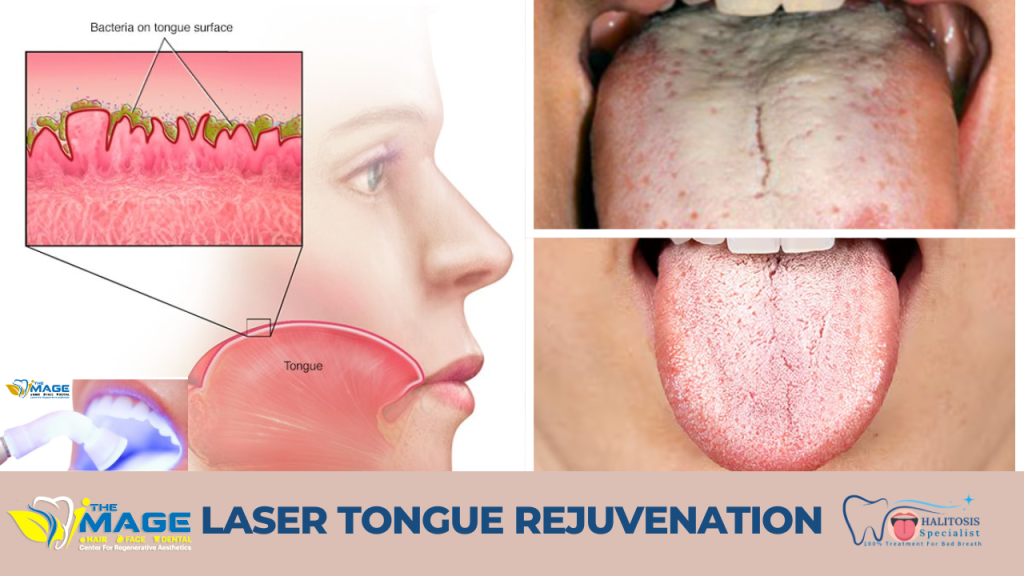
Bad breath usually starts in the mouth for most people. This happens because the tongue is not cleaned well, and plaque builds up. Gum problems can also help these germs grow. The tongue and mouth be a good place for these smell-causing bacteria.
Difference Between Halitosis and Occasional Bad Breath
It is also good for us to know how bad breath can be different. Sometimes, bad breath stays for a long time and sometimes, it might just come and go. Most people will get bad breath at some point. When you wake up in the morning, eat foods with garlic, or drink coffee, you might notice oral malodor. The good thing about this kind of bad breath is that it does not stay. You can brush your teeth or use mouthwash, and it will go away.
Genuine or pathological halitosis is different from normal bad breath. This problem does not go away quickly. The unpleasant odor stays for a long period of time, even if you use gum or rinse your mouth. This means there could be something more serious in your body. You need to look into this and get help.
The most common cause of bad breath is bacteria. If you have bad breath, you will likely find more germs in your mouth. To help lower the cause of bad breath, be sure to brush your teeth well every day. Flossing and cleaning your tongue also keep the germs down. When you do these things, you can keep bad breath away.
Main Causes of Halitosis and Bad Breath
The most common causes of bad breath start from what happens in your mouth. If bacteria break down food particles, that can let out sulfur compounds that smell bad. But the causes of bad breath are not the same for everyone, because their mouth and habits can be different.
Poor oral hygiene is one of the top reasons for bad breath. What you eat and some medical conditions can also lead to it. If you know the reason behind your bad breath, you can find a good solution. Let’s look at how poor oral hygiene, the food you eat, and medical conditions are all linked to halitosis.
Oral Hygiene Factors
Bad breath is often caused by poor dental hygiene. If you do not brush and floss the right way, food particles can be left in your mouth. The bacteria use these food particles to grow. This will lead to plaque buildup on your teeth and around your gums. Proper dental hygiene can help keep bad breath and plaque buildup away.
This buildup can cause you to have oral health issues. It may make your bad breath get worse. A layer of bacteria, called plaque, can make your gums sore. It can make them red and puffy. If you do not take care of it, it can get worse and can lead to gum disease. Good oral health will help you stay away from these problems.
Here are some oral hygiene habits that can make bad breath worse:
Plaque Buildup: A sticky layer of bacteria can be on your teeth. This can get worse if you do not clean your teeth well.
Tooth Decay: A cavity can hold food and bacteria in it. This may give a bad smell in your mouth.
Gum Disease: If you have gum disease, your gums may be sick or swollen. Gaps can open, and bacteria may grow in them.
Coating on the Tongue: The tongue may keep a lot of bacteria. These can also cause a bad smell.
Dietary Habits and Food Choices
The things you eat and drink can change your breath fast. Food begins to break down in your mouth. Some foods will make your breath smell bad and the smell can last. When you digest food, its byproducts go into your blood. These can end up in your lungs. You breathe out the smells from these foods.
Foods that make bad breath worse often have strong smells. Garlic and onions are two common foods that be the reason for oral malodor. They have a lot of sulfur in them. This is what makes a clear and lasting smell in your mouth. A crash diet or a low-carb diet can also cause bad breath. When your body burns fat, it makes something called ketones. Ketones smell strong and are a big reason for bad breath.
Here are some key dietary culprits:
Onions and Garlic: These two foods have a lot of sulfur compounds. They are known to give you breath odor.
Spicy Foods and Pickles: When you eat spicy foods or pickles, your breath can get a strong smell.
Coffee and Alcohol: If you drink coffee and alcohol, your mouth can get dry. This helps odor-causing bacteria grow. It can lead to more breath odor.
Medical Conditions Linked to Persistent Bad Breath
Bad breath does not always come from poor oral hygiene. It can also be a sign of a deeper health condition. A dry mouth, which is sometimes called xerostomia, is one of the big causes for bad breath. Saliva is needed to help clean the mouth every day. If you do not have enough saliva, bacteria can grow quicker in the mouth and this can make bad breath happen. Some medicines, like antihistamines and some tranquilizers, can make your mouth have less saliva.
Different health problems can change how breath smells. If someone has uncontrolled diabetes, they may get bad breath that smells sweet, like fruit or acetone. A person with kidney failure often gets breath odor that smells like ammonia. If there is an infection in the nose, sinuses, or throat, it often leads to postnasal drip. This can cause a person to have bad breath.
Other things that can cause bad breath include gum disease, stomach issues like acid reflux, and some metabolic disorders. If you see that your bad breath does not get better, even after you take good care of your mouth, it may be time for you to visit a doctor.
Identifying Symptoms of Bad Breath and Halitosis
The clearest sign of genuine halitosis is a bad smell coming from the oral cavity. This foul odor sticks around and does not just come from food you eat. It is a sign that you may have genuine halitosis. Sometimes, people do not notice their own unpleasant odor. You might not smell it because you get used to it.
If you notice bad breath early, it is easier to fix the issue. There are a few easy ways to check if you have bad breath. Some signs can tell you that the problem is not just about being clean.
Common Signs to Look For
The simple way to tell if you have halitosis is by noticing an unpleasant smell from your mouth. A lot of the time, it can be hard for you to pick up on your own breath odor. You can ask a friend or someone in your family to say what they think about your breath.
If you are by yourself, you can do an easy self-test to check for mouth odor. Lick the inside of your wrist and then wait for it to dry for a few seconds. After that, smell it. If you notice a bad smell on your skin, your breath probably has the same mouth odor. This will help you know what people around you may smell from you.
Other signs that come with bad breath can be:
There is a white or yellow coating on the top of your tongue.
Your mouth always tastes bitter, sour, or metallic.
A dry mouth or sticky idea is inside your oral cavity.
When Bad Breath Signals a Health Problem
If you practice good oral hygiene but still have bad breath, it may be a sign that you have a health condition. Bad breath that will not go away, even when you brush, floss, and clean your tongue, should not be ignored. Your body could be telling you that there is a bigger problem to look out for.
Gum disease is one oral health problem that can cause bad breath. Your gums can be red. You might feel swelling. Sometimes, there may be bleeding. All these be signs that there is a problem. Acid reflux, or GERD, is also a reason for bad breath. Stomach acid comes up into the throat and the mouth. This can make your mouth smell sour. So, gum disease and acid reflux are oral health conditions that can cause bad breath.
You need to see a doctor if you notice that your breath has a new or strange smell. A breath that smells sweet and fruity can happen if you have diabetes. A smell like ammonia in your breath can come from kidney problems. If you have these signs, or if your bad breath does not go away, it is important to get checked by a doctor. A doctor will help figure out what is wrong so you can get the right care fast.
Diagnosing the Source of Halitosis
To help with bad breath, you need to know where the smell is coming from first. A dentist can look inside your oral cavity. They will also ask you about your health to help find out the causes of halitosis. Dentists can use several ways to check and measure your breath odor. This helps them get a clear answer on what is going on.
You can do some simple checks at home to look for bad breath. You can also ask your dentist for more advanced tests like gas chromatography. The first thing to do is find out what is making your breath smell bad. You and your dentist can work together to find out what is causing your bad breath.
At-Home Self-Checks for Bad Breath
Before you go see a dentist, you can do some things at home to check if you have breath odor. These easy tests help you know if there could be something wrong that you need to get checked. One quick way is called the wrist-lick test. To do this, you lick your wrist, wait for it to dry, and then smell it. This will tell you a bit about your breath odor.
You can use a tongue scraper or even a clean spoon to gently scrape the back surface of the tongue. After you do it, wait a little while. Then smell what comes from the tongue. A lot of bacteria are on the surface of the tongue. This can help you know if your breath is fresh or not.
Here are a few at-home self-checks you can try:
The Wrist Test: Lick the inside of your wrist. Let the wet spot dry for a bit. Now, smell it to see if there is any smell.
The Floss Test: Take some floss and use it between your back teeth. Smell the floss after you use it and you will know if there is any smell.
The Spoon Test: Take a spoon and scrape it on the back of your tongue. Smell what is on the spoon to see if there is any odor.
Professional Oral and Medical Examinations
Regular check-ups with your dentist and doctor help find what is causing bad breath. The dentist checks for oral health issues, such as gum disease, tooth decay, or plaque buildup. Any of these problems can give you that bad smell in your mouth. They also look to see if medical conditions, like gastroesophageal reflux disease, are making your breath worse.
If you need help with bad breath, there are treatments you can try. A laser tongue treatment may be one option that works. It is best to have regular check-ups with a dentist. This is an important way to keep up with good oral hygiene. Regular visits also help you get the right bad breath treatment in Bangalore.
A dentist will tell you what works for you every time you go in. A check-up may help find causes of bad breath early on. Then, you feel good and can smile with confidence.
Daily Prevention Habits for Fresher Breath
The best way to deal with bad breath is to stop it before it starts. You should practice good oral hygiene every day. The simple things you do each day help keep your mouth clean and your breath fresh. Good oral hygiene removes bacteria, stops plaque from building up on your teeth, and helps with saliva production.
Brushing your teeth the right way can help stop bad breath. You should also clean your tongue. The things you do each day matter for your oral health. Having good habits will help keep your mouth healthy. It is one way to feel good about your smile and stay healthy for many years. Here, we talk about some top daily habits that can help prevent bad breath.
Effective Brushing and Flossing Techniques
Brushing and flossing are both important to have good oral hygiene. They help you stop bad breath. When you only brush your teeth, you clean about 60% of the surface. That is why you have to floss too. Flossing will take food particles and plaque buildup out from between your teeth and from below the gumline.
You need to brush your teeth two times each day. Use a fluoride toothpaste for this. It helps take away plaque and makes your tooth enamel strong. When you brush, clean the outside, inside, and top part of all your teeth. You should get a new toothbrush every two or three months.
Here are some key tips for effective cleaning:
Brush your teeth for at least two minutes each time.
Floss every day to get in the tight spots between your teeth.
Use a soft-bristled toothbrush. This helps keep your gums safe.
The Importance of Regular Tongue Cleaning
Did you know that up to 60% of the bacteria in your mouth can live on the tongue? The tongue has a rough feel. There are many small bumps and grooves. Food debris, dead cells, and bacteria get stuck in them. Most of this buildup can be found on the back of the tongue. This is a big reason why some people get bad breath.
Cleaning the tongue should be a regular part of your oral health routine. A toothbrush can be used for this, but a tongue scraper often works better. A tongue scraper is made for the tongue and helps to get rid of bacteria from the surface. When you use the tongue scraper, it works well and does not make you feel like gagging.
Cleaning your tongue each day helps lower the level of sulfur compounds and volatile sulfur compounds in your mouth. These compounds can cause bad breath. If you clean your tongue regularly, you can notice good changes in your breath. This also helps you keep up with your oral hygiene.
Healthy Lifestyle and Nutrition Tips
Besides brushing and flossing, adding small lifestyle changes will help you get fresher breath. Try to stay hydrated. When you drink plenty of water, it washes away food particles. Drinking more water also helps the production of saliva.
The way you eat is important for your mouth. If you eat things like apples and celery, they are crunchy and can help clean your teeth. They work like a toothbrush and help remove stuff that sticks to your teeth. Some people also say that green tea is good for you. Green tea has things in it that can fight germs in your mouth. These germs are what can make your breath not smell good.
Here are some tips you can use in your daily routine:
Drink plenty of water during the day. This is good to help with dry mouth. Water is also good for your oral health and can help keep bad breath away.
Chew sugar-free gum to help your mouth make more saliva. The extra flow of saliva can stop dry mouth and bad breath.
Do not use tobacco products. Smoking is a top cause of bad breath and often leads to other oral health issues. Giving up tobacco is good for your oral health.
Home Remedies for Treating Bad Breath in India
If you want some easy ways to make your breath smell good fast, you can try some simple home remedies. A few of these use common Indian ingredients. These things help lower bacteria in the oral cavity. They also help take away bad smells. These do not replace good dental hygiene. But you can add them to your daily routine for extra freshness.
You can use things from your kitchen and try natural DIY mouth rinses to help with bad breath. These things are easy to get and simple to use at home. Let’s look at some popular and good ways to get rid of bad breath on your own in your space.
Traditional Indian Ingredients for Fresh Breath
For many years, people in India have used natural things for oral health. These ways help keep the mouth clean and breath fresh. Many of these old ways are still used now. The reason is they work well and are easy to find. Some natural things can fight bad bacteria and smells in the mouth with their own good qualities.
Many people like to chew some seeds or spices after they eat. You see this practice in many places, and it helps with bad breath. These seeds and spices do more than cover up smells in your mouth. They help clean your mouth. They also help you make more saliva. Ginger is another good food that can help you fight bad breath. It helps keep your mouth fresh.
Here are some traditional ingredients you can use:
Fennel Seeds (Saunf): When you chew fennel seeds after you eat, your breath can feel fresh. They may also help you with digestion.
Cinnamon: Cinnamon has essential oils in it. These oils can help to fight bacteria in your mouth. You can chew a cinnamon stick or add some to your tea.
Ginger: You can drink ginger tea or chew a bit of pickled ginger. This can help take away smells from your mouth.
Natural DIY Routines to Reduce Halitosis
Making your own mouth rinses with simple ingredients at home can be a good way to help in the treatment of halitosis. These homemade mouth rinses may give you fast freshness and might help to lower bacteria in the mouth. But, to fix bad breath for good, you have to find and treat the real cause of bad breath. A saltwater gargle is one of the first and most well-known ways used to clean the mouth and fight bad breath.
Adding natural yogurt to your diet is a good thing to do. Yogurt has lactic acid bacteria, or probiotics. These can help fight the bacteria that cause bad breath. Also, green tea helps in the same way. Green tea has things in it that can fight germs. When you drink it, green tea can help with oral hygiene. It may also make your breath smell better.
Try these easy DIY routines:
Saltwater Rinse: Put one teaspoon of sea salt into a glass of warm water. Stir it well. Use the mix to rinse your mouth for 30 seconds.
Lemon Water Rinse: Add a few drops of lemon juice to water. You can use this mix to rinse your mouth. It helps get more saliva in your mouth.
Natural Yogurt: Eat one serving of plain, sugar-free yogurt each day. This helps your mouth keep good bacteria.
Medical Treatments and Advanced Procedures for Halitosis
When bad breath does not go away with home remedies or good hygiene, you may need to see a dentist. A dentist can give you help for chronic bad breath. The treatment will try to fix the main cause. This could be a lot of bacteria in your mouth. It could also be another medical issue that brings on the bad breath.
For people who have bad breath problems that do not get better, there are new treatments like laser tongue rejuvenation. This way can help remove the bacteria that cause chronic bad breath. It is a direct way to treat bad breath that will not go away.
Dentist-Prescribed Solutions
If you have bad breath because of an oral health problem, your dentist can help by giving you special treatments. These are made just for you and work better than the things you buy at the store. For people with gum disease, a dental cleaning by the dentist is needed. A cleaning will take away plaque and tartar from below your gums. This is a good way to keep up with your oral health.
Your dentist may ask you to use mouth rinses that help to fight bad breath and oral malodor. Some mouth rinses have antibacterial agents like chlorhexidine. These can lower the amount of bacteria that cause bad breath in the mouth. You usually use these for a short time only. That is because they can have side effects. One side effect is that your teeth can get stained.
Common dentist-prescribed solutions include:
Antibacterial Mouth Rinses: The mouth rinses with strong things like chlorhexidine or cetylpyridinium chloride can help get rid of bad breath. These work to make your mouth feel fresher.
High-Fluoride Toothpaste: When you use this kind of toothpaste, it helps to stop tooth decay, which can cause bad breath.
Professional Dental Cleanings: A dentist can take out the plaque and tartar from deep in your teeth. This can keep your mouth clean and help with bad breath.
Laser Tongue Rejuvenation for Chronic Bad Breath
For people who have chronic bad breath that does not get better with other treatments, laser tongue rejuvenation can help. This new way targets the main cause of bad breath for many people. It cleans dirt and germs out from deep at the back of the tongue. Bacteria get stuck in these spots, and that is what often causes the smell to stay.
The treatment uses a special dental laser made for the mouth. The laser gently gets rid of germs and smooths the tongue. This takes away the bacteria that make bad smells, and these germs can be hard to clean with just normal brushing or scraping. The procedure is very gentle on the mouth. It is done to give long-lasting help to people who have oral health problems with the tongue.
Laser tongue rejuvenation is now known as a safe and useful method to help long-term bad breath. A lot of people go for this when they want Halitosis Treatment in Bangalore. You may speak with a dental expert at The Image Dental to see if this is the best choice for you.
When to Visit a Dentist or Specialist in India
Most of the time, you can manage bad breath by cleaning your teeth and mouth well at home. But, there are times when you need to get help from your dentist. If you still have bad breath after doing your best at home, it’s important to go see a dental care professional. This might mean you have oral health conditions that need special care and treatment. Taking care of your oral health, and seeing your dentist often, can stop problems before they get worse.
Sometimes, your dentist may ask you to see a doctor if they think your bad breath is not only from your mouth. It could be from another health condition. If you are looking for a [Bad Breath Treatment in Bangalore](Bad Breath Treatment in Bangalore), this can help you get the right diagnosis. You will also get a good way to treat it. A dentist or a doctor will look at your oral health. They will also check if any other health condition is causing the bad breath.
Warning Signs That Need Medical Attention
It is important to see if bad breath is not just a small thing you deal with every day. There are warning signs that tell you if mouth odor can be part of a bigger health condition. These problems could need help from a doctor. If you do not pay attention to these signs, it can get worse as time goes on.
One thing you should watch for is bad breath that will not go away, even when you try to take care of your oral hygiene. If you brush your teeth, floss, and clean your tongue every day but still have the smell, you need to visit a professional. Also, look out for red, swollen, or bleeding gums. These signs could mean you have gum disease.
Look out for these warning signs:
You can get bad breath even if you keep your mouth clean and look after it well.
Your gums can feel sore, seem puffy, or bleed.
A dry mouth that will not go away or sores that do not heal can also be signs.
How Specialists Address Persistent Halitosis
When you visit a specialist for bad breath that will not go away, the main thing they want to do is find out what is causing it. A dentist will start with a complete oral health checkup. This lets them see if you have gum disease, any cavities, or if there is a lot of coating on your tongue. They will look at your medical history too. At times, the dentist will use special tools to test your breath.
If the dentist thinks your bad breath is not starting in your mouth, the dentist will ask you to see a medical specialist. A dentist wants to help you if your bad breath comes from medical conditions. For example, if you have GERD, you may need to talk to a gastroenterologist. If you get sinus infections, you might see an ear, nose, and throat (ENT) doctor.
This way of working together helps us look at all the reasons you have bad breath. We find out what is causing your bad breath, and then we make a plan that lasts. We focus on what is making your bad breath stick around. This is how you get the right help for your problem.
Diet and Foods That Influence Bad Breath
The things that you eat can change the way your breath smells. Food you have can make bad breath get worse or help it get better. There be some foods that make sulphur compounds. These break down in your mouth and body. They have a strong smell.
Some foods can help clean your mouth. They also make it feel healthy. If you know what foods to eat, you can help control your breath. It is also good to know which foods to stay away from. This will help your mouth feel fresh for longer.
Foods That Worsen Halitosis
Some foods can give you bad breath. Garlic and onions are two examples. They have sulfur compounds in them. After you eat these foods, the sulfur compounds go into your blood. When you breathe out, they leave your body through your lungs. This leads to a bad smell from your mouth. It can last for some time.
Sugary foods and drinks help the bad bacteria in your mouth to grow. This makes plaque build up, and it raises the level of acids that cause smell. Coffee and alcohol drinks can also make your mouth feel dry. A dry mouth gives bacteria more chances to grow, and it can make bad breath even worse. If you use tobacco products, it is one of the main reasons for strong bad breath. Tobacco products also leave stains on your teeth.
Foods that worsen halitosis include:
Garlic, onions, and spicy foods.
Sugary snacks and drinks.
Coffee, alcohol, and tobacco products.
Foods and Drinks That Help Reduce Bad Breath
Some foods can cause bad breath. But there are other foods that can help stop it too. The best and easiest way to fight bad breath is to drink plenty of water. Water washes away food particles and bacteria from your mouth. This helps with the production of saliva. Your mouth uses saliva to stay clean.
Crunchy fruits and vegetables, like apples, carrots, and celery, can be good for your teeth. When you eat them, you use your teeth to chew, and this helps clean them. It takes away plaque and small bits from your mouth. Chewing these foods also makes you create more saliva. Green tea is a good choice too. It has things in it that help fight the bacteria that cause bad breath.
Add these foods to your everyday meals. They can help keep your oral health in good shape.
The water helps you stay hydrated. It also keeps your mouth clean.
You can eat crunchy fruits and vegetables. Apples and carrots are good for this.
Green tea can fight the bacteria in your mouth.
Frequently Asked Questions (FAQ)
Talking about bad breath out in the open can help people feel less nervous about it. A lot of people want to know what things cause bad breath. Many times, bad breath starts because of poor oral hygiene or habits in our day-to-day life. The tongue, mostly the back of the tongue, is a place where bacteria can build up. These bacteria on the tongue can cause bad breath. Some treatments like laser tongue rejuvenation go right to the back of the tongue to help get rid of bacteria. This can be a good way to help with breath odor.
If you are looking for the best way to treat bad breath in Bangalore, there are some good choices. You can try Halitosis treatment in Bangalore. These treatments help people feel good about themselves and make it easy to stay strong, feel well, and keep up with good oral health. Taking care of your mouth and working on oral hygiene is very important when you want to stop bad breath.
Can lifestyle changes alone treat chronic halitosis?
Lifestyle changes can help with chronic bad breath. You can practice good oral hygiene and change what you eat. These things are important for your oral health. But if your bad breath is caused by something else in your body, these changes may not fix it. Then, it is best to see a dentist or doctor. A professional can find the real cause and help you improve your oral health and bad breath.
How quickly can home remedies show results for bad breath?
Home remedies like chewing fennel seeds or using a natural mouth rinse can help with bad breath fast. Still, these tricks do not keep oral malodor away for a long time. If you want to fight bad breath for more than a short period of time, practice good oral hygiene. If you find that your halitosis does not go away, do not just mask it. You need to look for and treat the real cause of the problem.
Is laser treatment safe and effective for long-term halitosis?
Laser tongue rejuvenation is a safe way for people to treat chronic bad breath. The main cause of this problem is bacteria on the tongue. This treatment works deeper than most other oral health methods. It can help with the tongue and with oral health issues when nothing else seems to work. Many people pick this treatment of halitosis to find a long-lasting answer for bad breath. It is a good choice for anyone who wants better oral health and fresh breath.
Conclusion
To sum up, fixing bad breath matters for how you feel and how you talk with others. It helps to know what can cause bad breath, how it shows, and what you can do for it. When you understand this, you can make your breath feel fresh.
Every day, keep up with good oral hygiene. You can use simple home remedies and talk to a dentist if you feel you should. All these steps are good for your oral health. If bad breath does not go away, it’s a good idea to talk with a dental expert. You can also get a free consultation for advice about oral health and home remedies. Start now so you feel more sure about your breath.
Newsletter
Sign up our newsletter to get update information, news or article about medical.

Contact Info
- 2nd Floor, MCN square, No 13, Sahakar Nagar, Byatarayanapura, Bengaluru, Karnataka 560092
- care@halitosis.in
- +91-87920 36555
Copyright © 2021 The Image Dental Clinics